F4 Newsletter: Hunger in Uganda
By: Derek Fiorenza
There is suffering attributable to poverty and food insecurity all over the world. At F4, we are striving to illuminate a warm light around areas and people that are in need. Our goal is to educate with compassion, engage thoughtfully, and work strategically to eradicate hunger one meal at a time.
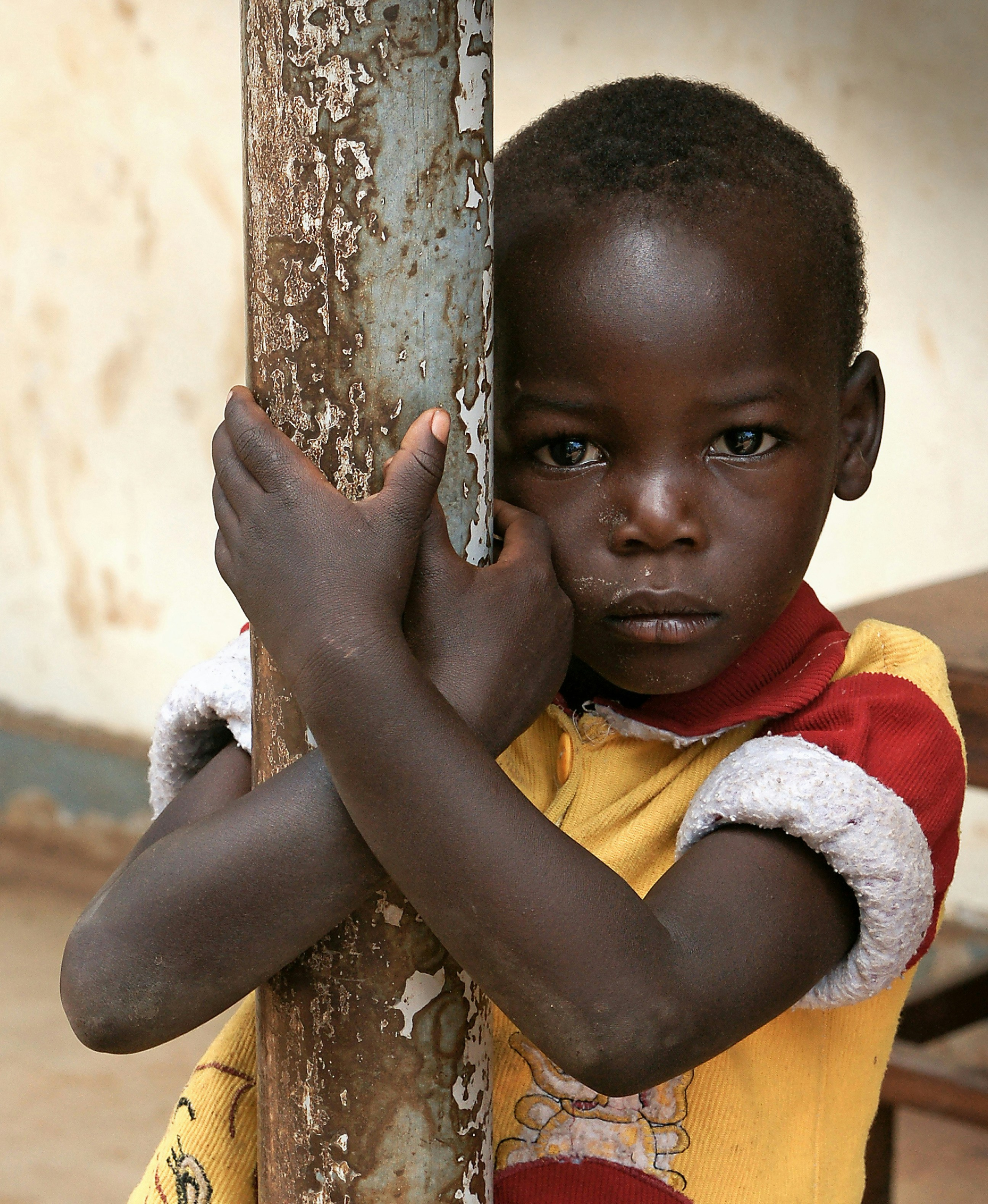
We recently conducted research on hunger in Uganda and some of the statistics were deeply troubling. The Global Hunger Index score for Uganda is 20.2 which ranks 87th out of 123 countries with enough data to measure. This places the country of Uganda in a serious level for hunger and food insecurity.
What is the Global Health Index (GHI)? The GHI is a tool that is used to thoughtfully track and measure hunger on a global, regional, and national level. The scores are predicated on four factors which are undernourishment, child stunting, child wasting, and child mortality. The GHI defines these four categories as follows: Undernourishment is the share of the population with insufficient caloric intake. Child stunting is the share of children under age five who have low height for their age, which is reflected by chronic undernutrition. Child wasting represents the share of children under age five who have low weight for their height, which reflects acute undernutrition. Lastly, Child mortality reflects the share of children who die before their fifth birthday, which can be due to a combination of inadequate nutrition and unhealthy environments.
According to the World Health Organization (WHO), the difference between chronic undernutrition and acute undernutrition is a factor of time, causation, and specific body measurements. The duration for acute undernutrition is short-term or sudden onset whereas for chronic undernutrition it is long-term, prolonged, or recurrent. Additionally, Wasting is tied to acute undernutrition (having a lower weight for height), and stunting is connected to chronic undernutrition (having a lower height for age).
When we review these metrics as it pertains to Uganda, the GHI scores for the four component indicators are as follows:
- 22% of the population is undernourished
- 23.5% of children under the age of five are stunted
- 3.2% of children under the age of five are wasted
- 3.9% of children die before their fifth birthday
With all these sobering data points, there does appear to be a silver lining, the GHI score has been trending downwards for Uganda. It was at it’s highest in 2000 when the score was 36, and as of 2025, the score sits at 20.2 as stated previously. There is also great work being done by organizations such as The Hunger Project.
In Uganda, there are two active epicenters that are working towards self-reliance. The Epicenter Strategy works in conjunction with empowered individuals and communities to take ownership and control of their own development while unlocking local capacity for change. This strategy aims to holistically address the root causes of hunger in the lives of the individuals that are suffering while helping to provide access to critical services that are pertinent to leading a self-reliant and sustainable lifestyle. The two Epicenters are the Oruka Epicenter, which is located in Nwoya District, of Northern Uganda, and established in 2022 and the newest epicenter which launched in 2024 in the Amuru District, covering seven villages and serving over 26,000 people.
We all have a hand in fighting hunger and food insecurity. Please consider becoming a volunteer with F4, and please follow @F4service and subscribe to the F4 Leadership Newsletter as we work to create awareness for hunger and food insecurity around the world.
Citations
Leave a Reply